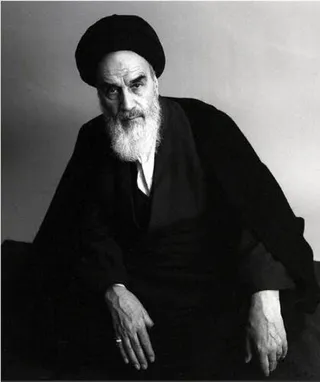

Iran Mar, 1986 Iran–Iraq WarAyatollah Khomeini issued a Fatwa
Iran Mar, 1986 In April 1986, Ayatollah Khomeini issued a fatwa declaring that the war must be won by March 1987. The Iranians increased recruitment efforts, obtaining 650,000 volunteers. The animosity between the Army and the Revolutionary Guard arose again, with the Army wanting to use more refined, limited military attacks while the Revolutionary Guard wanted to carry out major offensives. Iran, confident in its successes, began planning their largest offensives of the war, which they called their "final offensives."
Mehran, Ilam Province, Iran Wednesday May 14, 1986 Iran–Iraq WarCapturing The City of Mehran
Mehran, Ilam Province, Iran Wednesday May 14, 1986 On 15–19 May, Iraqi Army's Second Corps, supported by helicopter gunships, attacked and captured the city of Mehran. Saddam then offered the Iranians to exchange Mehran for al-Faw. The Iranians rejected the offer. Iraq then continued the attack, attempting to push deeper into Iran. However, Iraq's attack was quickly warded off by Iranian AH-1 Cobra helicopters with TOW missiles, which destroyed numerous Iraqi tanks and vehicles.
Mehran, Ilam Province, Iran Sunday Jun 29, 1986 Mehran, Ilam Province, Iran Wednesday Jul 2, 1986 Mehran, Ilam Province, Iran Thursday Jul 3, 1986 Iran–Iraq WarIraq Fail To retake The City again
Mehran, Ilam Province, Iran Thursday Jul 3, 1986 Saddam ordered the Republican Guard to retake the city on 4 July, but their attack was ineffective. Iraqi losses were heavy enough to allow the Iranians to also capture territory inside Iraq, and depleted the Iraqi military enough to prevent them from launching a major offensive for the next two years.
Qasr-e Shirin, Kermanshah Province, Iran 1986 Iran–Iraq WarOperation Karbala-6
Qasr-e Shirin, Kermanshah Province, Iran 1986 At the same time as Operation Karbala 5, Iran also launched Operation Karbala-6 against the Iraqis in Qasr-e Shirin in central Iran to prevent the Iraqis from rapidly transferring units down to defend against the Karbala-5 attack. The attack was carried out by Basij infantry and the Revolutionary Guard's 31st Ashura and the Army's 77th Khorasan armored divisions. The Basij attacked the Iraqi lines, forcing the Iraqi infantry to retreat. An Iraqi armored counter-attack surrounded the Basij in a pincer movement, but the Iranian tank divisions attacked, breaking the encirclement. The Iranian attack was finally stopped by mass Iraqi chemical weapons attacks.
Iran Mar, 1986 Iran–Iraq WarAyatollah Khomeini issued a Fatwa
Iran Mar, 1986 In April 1986, Ayatollah Khomeini issued a fatwa declaring that the war must be won by March 1987. The Iranians increased recruitment efforts, obtaining 650,000 volunteers. The animosity between the Army and the Revolutionary Guard arose again, with the Army wanting to use more refined, limited military attacks while the Revolutionary Guard wanted to carry out major offensives. Iran, confident in its successes, began planning their largest offensives of the war, which they called their "final offensives."
Mehran, Ilam Province, Iran Wednesday May 14, 1986 Iran–Iraq WarCapturing The City of Mehran
Mehran, Ilam Province, Iran Wednesday May 14, 1986 On 15–19 May, Iraqi Army's Second Corps, supported by helicopter gunships, attacked and captured the city of Mehran. Saddam then offered the Iranians to exchange Mehran for al-Faw. The Iranians rejected the offer. Iraq then continued the attack, attempting to push deeper into Iran. However, Iraq's attack was quickly warded off by Iranian AH-1 Cobra helicopters with TOW missiles, which destroyed numerous Iraqi tanks and vehicles.
Mehran, Ilam Province, Iran Sunday Jun 29, 1986 Mehran, Ilam Province, Iran Wednesday Jul 2, 1986 Mehran, Ilam Province, Iran Thursday Jul 3, 1986 Iran–Iraq WarIraq Fail To retake The City again
Mehran, Ilam Province, Iran Thursday Jul 3, 1986 Saddam ordered the Republican Guard to retake the city on 4 July, but their attack was ineffective. Iraqi losses were heavy enough to allow the Iranians to also capture territory inside Iraq, and depleted the Iraqi military enough to prevent them from launching a major offensive for the next two years.
Qasr-e Shirin, Kermanshah Province, Iran 1986 Iran–Iraq WarOperation Karbala-6
Qasr-e Shirin, Kermanshah Province, Iran 1986 At the same time as Operation Karbala 5, Iran also launched Operation Karbala-6 against the Iraqis in Qasr-e Shirin in central Iran to prevent the Iraqis from rapidly transferring units down to defend against the Karbala-5 attack. The attack was carried out by Basij infantry and the Revolutionary Guard's 31st Ashura and the Army's 77th Khorasan armored divisions. The Basij attacked the Iraqi lines, forcing the Iraqi infantry to retreat. An Iraqi armored counter-attack surrounded the Basij in a pincer movement, but the Iranian tank divisions attacked, breaking the encirclement. The Iranian attack was finally stopped by mass Iraqi chemical weapons attacks.